
Invisible Threads
Impact Lab
Welcome to the
Small shifts in how people understand stress and wellbeing can unlock big shifts in how communities and countries function.
People are burned out. Communities have lost trust in the media, authorities, and each other. The systems meant to protect and support democracy and wellbeing are failing.
We’ve found the core issue: When people and institutions operate in survival mode — stressed, threatened, overwhelmed — they can't think clearly, collaborate, or make sound decisions. Entire communities get stuck in fight, flight, freeze, fawn, or appease mode. We know that hurt people create broken systems, and broken systems hurt people
But there is good news. With the right information, tools, and strategies, we can break these intergenerational cycles instead of repeating them. We can — and must — strengthen mental health and democracy together.
That’s why Pulitzer-winning journalist and resilience expert Kate Woodsome created the Invisible Threads Impact Lab — to equip the media, educators, and leaders with the neuroscience-based approaches that can move us from survival mode to sustainable wellbeing.
The lab publishes stories, develops tools, and trains people to spot, disrupt, and redesign the policies, practices, and narratives that make us burn out, lash out, and shut down. Our work is grounded in a simple truth: Healed people create healthy systems. And healthy systems heal people. Let’s make that fact go viral.
How we help democracy
— and you
-
Hands-on skill-building sessions where participants learn to recognize threat responses in real-time and shift them. No abstract theory — you practice the specific techniques you'll use tomorrow with your team, your board, your constituents, or your newsroom. Sessions range from 90 minutes to full-day intensives. Participants leave with tools they can immediately apply.
-
Custom support for organizations facing high-stakes challenges. We diagnose what's actually driving dysfunction — whether it's leadership gridlock, team fragmentation, or crisis response that keeps making things worse — then design interventions that address root patterns, not just symptoms. For institutions ready to do the deeper work that creates lasting change.
-
Pulitzer-winning journalist and trauma-democracy scholar Kate Woodsome doesn't just give inspirational talks. She reveals the hidden mechanics of how stress and trauma hijack decision-making, relationships, and democracy itself — then shows exactly what to do about it. Audiences leave with a fundamentally different understanding of what's breaking and what actually works to fix it. Perfect for conferences, annual meetings, and leadership gatherings that want substance and strategies as well as hope.
-
We partner with newsrooms and creators to grow stories that are nutrient-rich for society — information that steadies the nervous system, strengthens trust, and cultivates civic resilience.
This pioneering field of Regenerative Journalism uses neurobiological insights and systems thinking to clarify what’s causing harm — and how people and institutions can start to repair it.
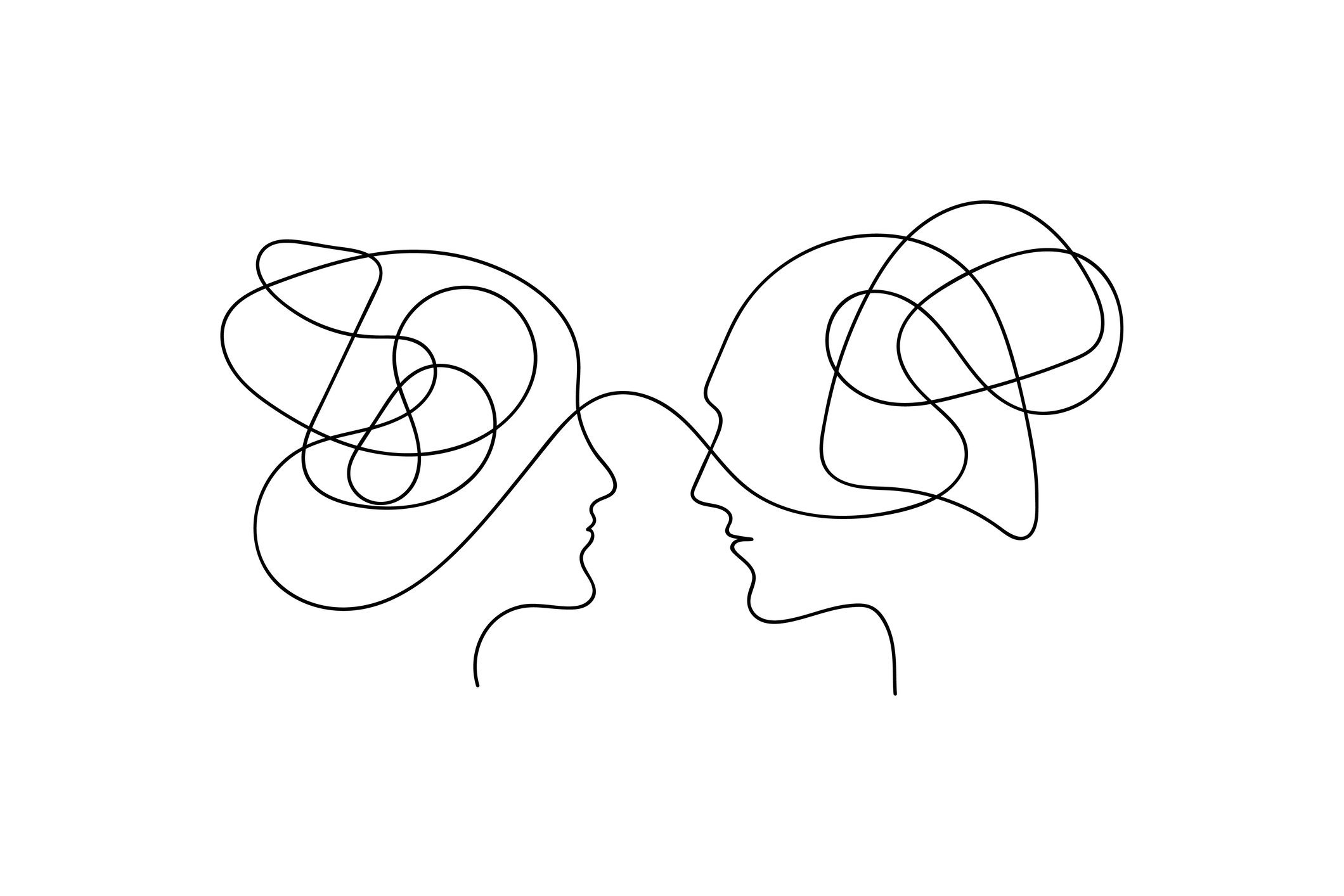
The invisible threads of pain — and healing
When people are overwhelmed and destabilized, we're easy prey for misinformation, authoritarianism, and abuse of power. This ripples across individuals, communities, and systems.
The media and leaders often fail to address the root causes of this dysfunction. And superficial fixes are wasting our money, straining our relationships, and destroying our democracy.
Kate Woodsome, founder and director of the Invisible Threads Impact Lab, recognized a crucial truth: Hurt people create broken systems, and broken systems hurt people.
We have to fix both.
Healing democracy starts where you are
-
Creating Conditions for Healing in the Wake of Violence: A Trauma-Informed Workshop for Communities
When mass violence shatters a community, the immediate crisis passes—but the invisible wounds persist. For educators, leaders and authorities tasked with holding space for traumatized students, staff and citizens while managing their own grief and hypervigilance, understanding the science of what's happening beneath the surface isn't just helpful. It's essential.
This workshop offers participants a framework grounded in neurobiology and trauma science to understand how trauma affects individuals, communities, and institutional systems—and more importantly, what we can do about it.
What You'll Learn
The Science Beneath the Surface
Discover how trauma lives in the nervous system and body, not just the mind. We'll explore the biological reality of threat responses, why "getting back to normal" often fails, and what your body is trying to tell you about safety, control, and connection—the three vital ingredients of human dignity that violence strips away.Recognizing Trauma Across Three Levels
Individual: Spotting signs of dysregulation in yourself and others—from hypervigilance to shutdown, dissociation to anger
Community: How collective trauma manifests in fractured trust, polarization, and the erosion of social fabric
Systems: Identifying institutional responses that inadvertently retraumatize through rigid policies, suppressed grief, or forced "resilience"
Creating Conditions for Healing
Not every intervention heals. Some common responses—however well-intentioned—can make people feel less safe, less in control, and less connected. Learn to recognize the difference between trauma-informed support and inadvertent harm, including:Why rushing back to "productivity" can deepen wounds
How lack of choice in healing processes replicates powerlessness
When institutional messaging prioritizes optics over genuine care
The critical importance of acknowledging what happened before moving forward
Practical Tools for Your Classroom, Newsroom, Boardroom
Leave with concrete strategies to regulate your own nervous system, create genuinely safe learning and work environments, and advocate for institutional practices that honor the biology of healing rather than fight against it.Who This Workshop Is For
People in leadership, support or helping roles who have experienced violence—whether as direct survivors or community members navigating its aftermath—and who want to understand the science behind what they're witnessing and feeling to be able to create the immediate and longterm conditions for healing.
-
The Problem
The news and online information move so fast — and hit so hard — that people are constantly stressed, reactive, and mistrustful. Journalists and creators feel it, too. The system rewards outrage, not understanding, which keeps everyone stuck in survival mode.
How We Help
Awareness: Learn to spot how stress and trauma shape what people can actually absorb. Why perfectly reported stories trigger defensive rage. Why audiences share misinformation even when they have facts. Why you wrote that regrettable tweet at 2am. These aren't random — they're predictable nervous system responses.
Ability: Gain skills to stay grounded covering traumatic stories without numbing out or burning out. Recognize when deadline pressure pushes you toward inflammatory framing instead of clarity. Handle difficult editorial conversations that resolve conflicts instead of creating resentment.
Action: Leave with strategies that work. A reporter covers political violence without retraumatizing sources or audience. A newsroom produces better journalism without constant crisis mode. An editor builds a culture where people disagree productively. A creator engages audiences in ways that inform rather than inflame.
The result
Journalism and communication that helps people think clearly instead of keeping them in permanent threat response.
-
The Problem
Public leaders and institutions are stretched thin, operating under nonstop pressure, threats, and distrust. When everyone is braced for conflict or attack, it's harder to think clearly, collaborate, or solve real problems — and democracy suffers.
How We Help
Awareness: Learn to spot what's driving the dysfunction. Why smart teams make terrible decisions under deadline pressure. Why public hearings turn into shouting matches even when there's common ground. Why you freeze when constituents attack you, then avoid town halls altogether. These aren't failures — they're nervous system responses to chronic threat.
Ability: Gain skills to shift from defensiveness to grounded leadership. Recognize when you're in threat mode and return to clear thinking in under two minutes. Stay present with angry constituents instead of shutting down or getting defensive. Lead high-stakes meetings without burning out.
Action: Leave with strategies that work. A city councilmember who froze during criticism learns to engage productively with opposition. A county manager builds a team that handles crises without constant firefighting. A mayor has the difficult conversations that actually resolve conflicts instead of avoiding them until they explode.
The result
Leaders and institutions that can think clearly, work together, and solve problems — even under pressure. -
The Problem
Organizers, activists, and funders are exhausted. The urgency is real, but the constant crisis mode leads to burnout, infighting, and strategies that don't sustain. When everyone operates in survival mode — chasing the next emergency, competing for resources, reacting instead of building — movements fracture and change doesn't last.
How We Help
Awareness: Learn to spot the patterns undermining your work. Why coalition meetings collapse into turf battles when you're fighting for the same cause. Why funders default to short-term reactive grants instead of long-term strategy. Why you can mobilize thousands for a protest but struggle to sustain engagement. These aren't organizational failures — they're what happens when people operate in permanent threat response.
Ability: Gain skills to lead or support others without burning out. Learn to recognize when urgency, stress, or trauma patterns are driving distrust and division, or producing superficial fixes to deeply rooted problems. Develop the ability to stay grounded and clear amid complexity and uncertainty to see both the big picture and gradual details that can make or break coalitions and progress.
Action: Leave with strategies that sustain you and the people you’re working to uplift. Organizers are empowered to build cultures that don't sacrifice people for the cause. Funders shift from reactive grantmaking to seeing the big-picture of change, to be able to support both immediate needs and transformational work that makes legacy-building possible. Everyone has a blueprint for disrupting and transforming the cycles of harm eroding individual and collective wellbeing.
The result
Social change work that builds power sustainably instead of burning through people and resources.
-
The Problem
Workplace stress is at record levels. Teams are burned out, decision-making suffers, and conflicts that should take minutes to resolve drag on for months. When leaders and employees operate in constant survival mode — chasing deadlines, bracing for criticism, avoiding difficult conversations — productivity tanks and people leave.
How We Help
Awareness: Learn to spot what's actually breaking your workplace. Why your smartest team makes bad decisions in high-pressure moments. Why performance reviews trigger defensiveness instead of growth. Why that meeting about the meeting about the problem still hasn't solved anything. These aren't people problems — they're nervous system responses to chronic workplace stress.
Ability: Gain skills to lead effectively under pressure. Recognize when stress is driving reactive decisions and shift to strategic thinking. Give critical feedback that lands instead of activating defense. Navigate tense conversations without shutting down or escalating. Understand how to analyze complex problems, identify transformational solutions, and communicate both in relatable terms.
Action: Leave with strategies that work. A CEO learns to make high-stakes decisions without triggering panic throughout the organization. A manager builds a team culture where people surface problems early instead of hiding them until crisis. An HR leader creates practices that reduce burnout instead of just managing its aftermath.
The result
Organizations where people do their best work because they're not operating in constant threat response.
Our approach
We blend three powerful approaches that create a regenerative ecosystem to achieve personal and democratic renewal.
Narratives designed to leave our civic soil healthier than we found it. This pioneering field weaves in stress reduction techniques for audiences while mapping the upstream drivers of social and political fractures that undermine wellbeing, and what people can do to make effective, lasting change. Journalist and trauma-democracy specialist Kate Woodsome, who won the Pulitzer Prize with colleagues covering the Jan. 6 attack Capitol attack, developed the approach now being evaluated by Georgetown Psychology researchers for impact on reader resilience. The Invisible Threads Substack is our real-time showcase of this work — with reporting, analysis, and live conversations.
The Red House Journey Framework
A framework and tools to diagnose and transform where and why broken systems are breaking people. It helps users go upstream to identify the conditions hurting our minds and body politic. Then, the trauma-informed framework empowers people to design policies, practices, and workflows that support dignity, discernment, and whole person health. It addresses the waste and cynicism that superficial fixes to deeply rooted problems create. An interdisciplinary team including Invisible Threads advisor neuroscientist Dr. Mays restorative justice expert Dr. Kathy Powers and founder Kate Woodsome, under the stewardship of Dr. Randall Bass, developed the framework with feedback from global trauma experts convened by The Wellbeing Project.
The Resilience Toolkit
Neuroscience- and body-based skills that help people break stress patterns and stay grounded under pressure. This evidence-backed method developed by trauma expert Nkem Ndefo galvanizes individual and collective transformation. Invisible Threads Impact Lab founder Kate Woodsome is a certified practitioner.
These approaches help people steady themselves, think straight, and make better choices so they can build healthier, more hopeful futures.
Clients and Collaborators





FAQs
-
Democratic decline + trust crisis: Only about 33% of Americans trust the federal government, according to a 2025 report by the Partnership for Public Service.
Social fragmentation: Just 34% of U.S. adults say most people can be trusted, down from 46% in the early 1970s.
Media distrust: Trust in information from national news organizations has dropped; only 56% report at least “some trust” in national media.
Political violence: A recent survey found that 57% of Americans say political violence is a major problem, and 78% believe politically motivated violence has increased in recent years.
Burnout + disconnection: Many civic leaders, journalists, and changemakers are overwhelmed; trauma and stress feed back into systems that hurt civic health.
-
The nervous system is the body’s communication and regulation network. It’s a living system that constantly scans the environment, interprets information, and adjusts the body so we can think, feel, act, and connect.
It includes the brain, spinal cord, and the network of nerves throughout the body. It’s main job is to help keep us alive.
The nervous system:
signals safety or danger
regulates heart rate, breath, digestion, immunity, mood
drives decision-making and social connection
activates instinctive survival responses when needed
Stress is the body and brain’s natural response to a perceived challenge, demand, or threat. It is a biological activation designed to help us take action, stay alert, or protect ourselves.
Healthy stress is short-term and manageable — it rises and falls.
Harmful stress is too intense, too frequent, or too prolonged, pushing the body outside its ability to recover.
Stress becomes traumatic when it overwhelms the nervous system, exceeding someone’s ability to process what’s happening.
Trauma is a biopsychosocial and spiritual wound — meaning it affects the body, mind, relationships, and sense of self and purpose. It occurs when a person experiences distressing events or conditions that are too much, too fast, too soon, or too long for their system to process.
This can affect physical and mental health, behavior, relationships, and decision-making long after the event has passed.
-
Narratives shape how communities make sense of conflict, belonging, and threat.
Trauma skews perception: We may see danger where there is none, or miss opportunities because of hypervigilance.
Media often amplifies fear, discord, and mistrust — contributing to democratic breakdown.
Our lab supports regenerative storytelling: frameworks and practices that help journalists, civic leaders, and communities tell stories that rebuild trust, create connection, and support system repair.
-
We are not a therapy provider.
Our focus is on practices, community, and systems — not diagnosing or treating clinical mental health issues.
We emphasize building stress regulation capacity, civic understanding, and structural change, not clinical therapy.
-
Our work is explicitly nonpartisan.
We are not aligned with any political party; our goal is human well-being, democratic health, and systems integrity, not ideology.
-
Neuroscience & psychology: trauma science, stress response, regulation tools.
Political science: data on polarization, institutional trust, civic behavior.
Media studies: research on narrative effects, media trust, and information ecosystems.
Systems theory: feedback loops, leverage points, systemic change.
Collective trauma research: how large-scale social events affect communities’ long-term health.
-
Leadership with deep experience in journalism, systems thinking, and trauma work
A praxis-driven model — we build theory + tools + real-world experimentation
Dual orientation: personal regulation + structural change
A commitment to regenerative, ethical, long-term change (not quick fixes)
-
Join a workshop, cohort, or fellowship (when open)
Subscribe to our newsletter / research updates
Partner with us (newsrooms, nonprofits, funders)
Refer leaders, storytellers, or changemakers to apply
Donate or fund a fellowship / program